Original: $240.24
-65%$240.24
$84.08The Story
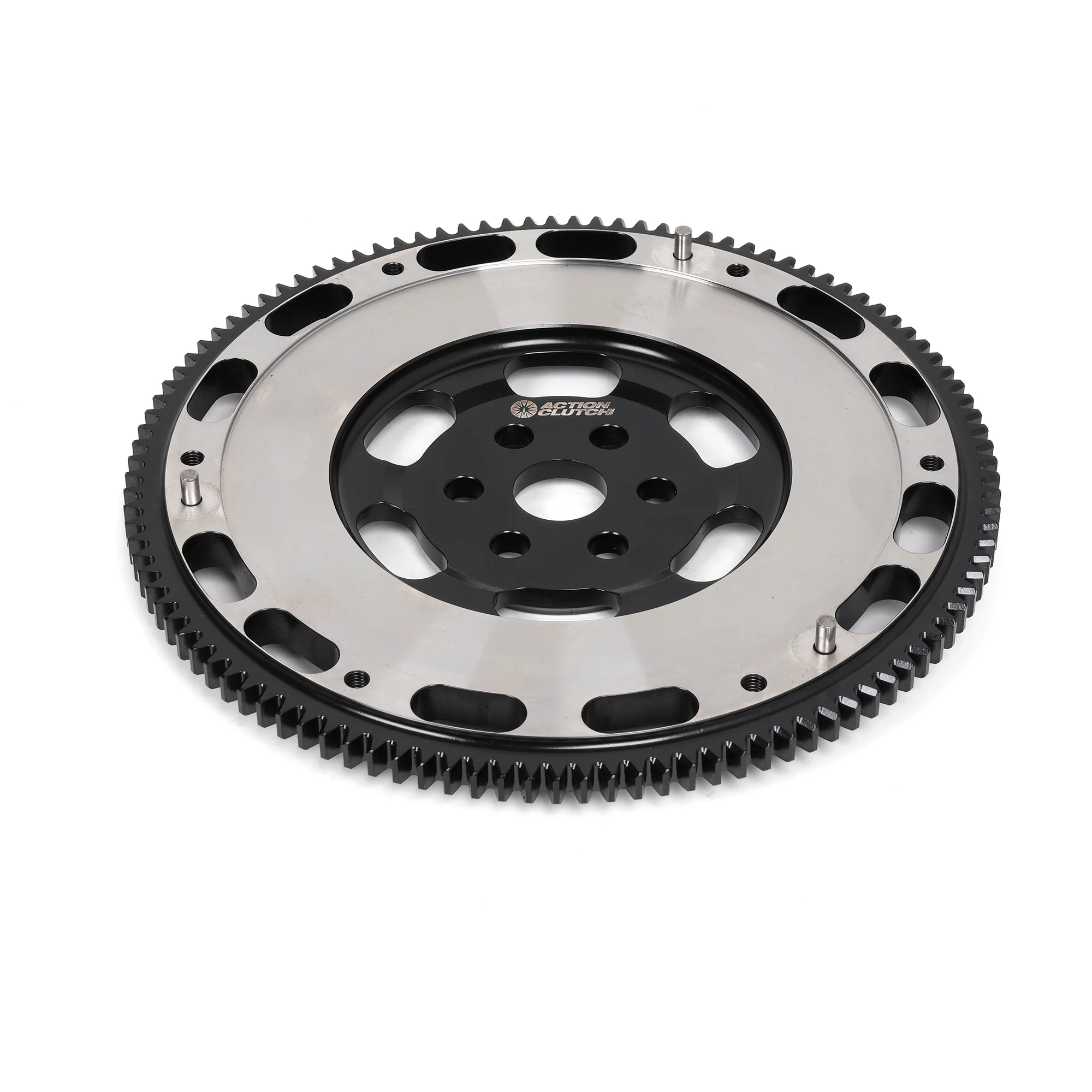
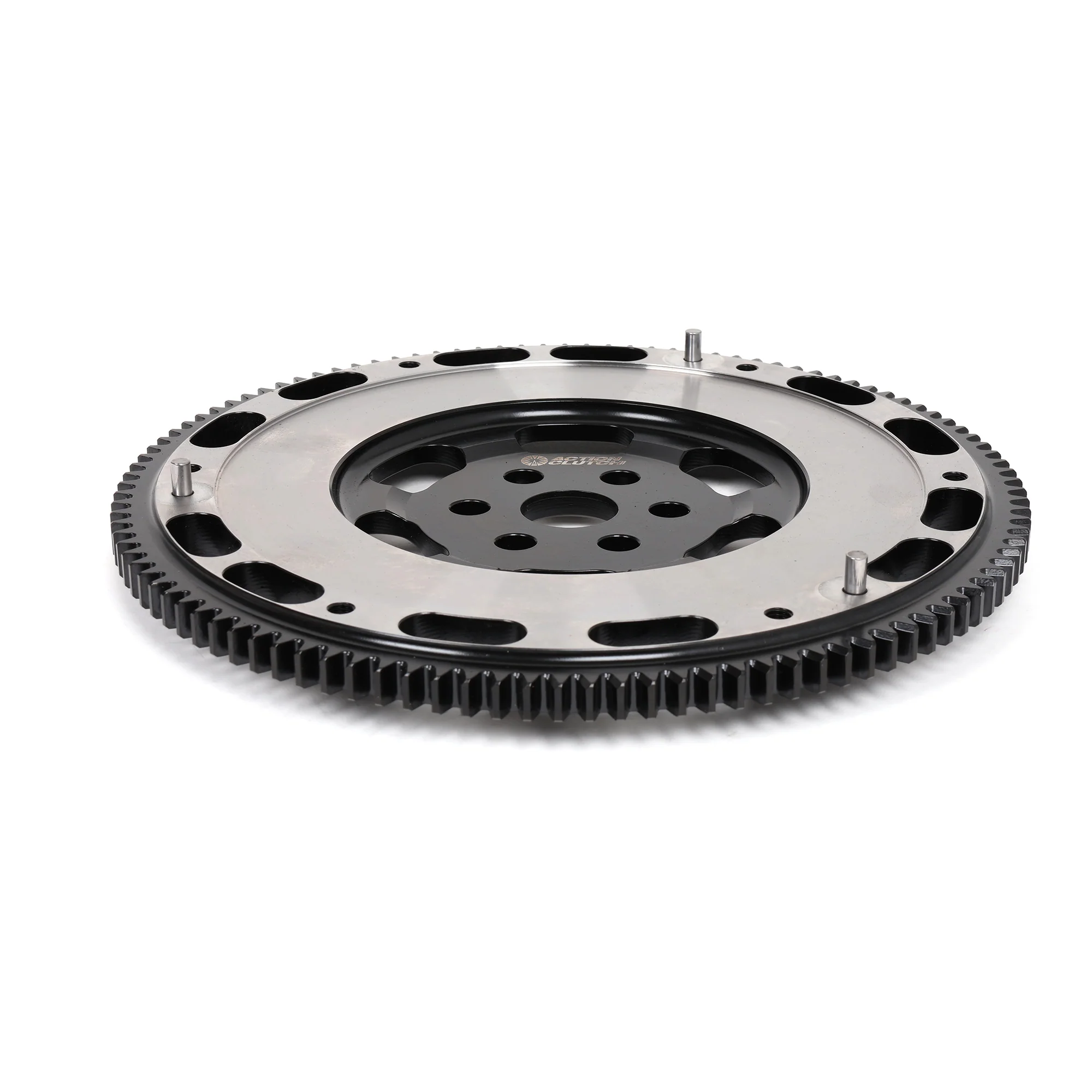
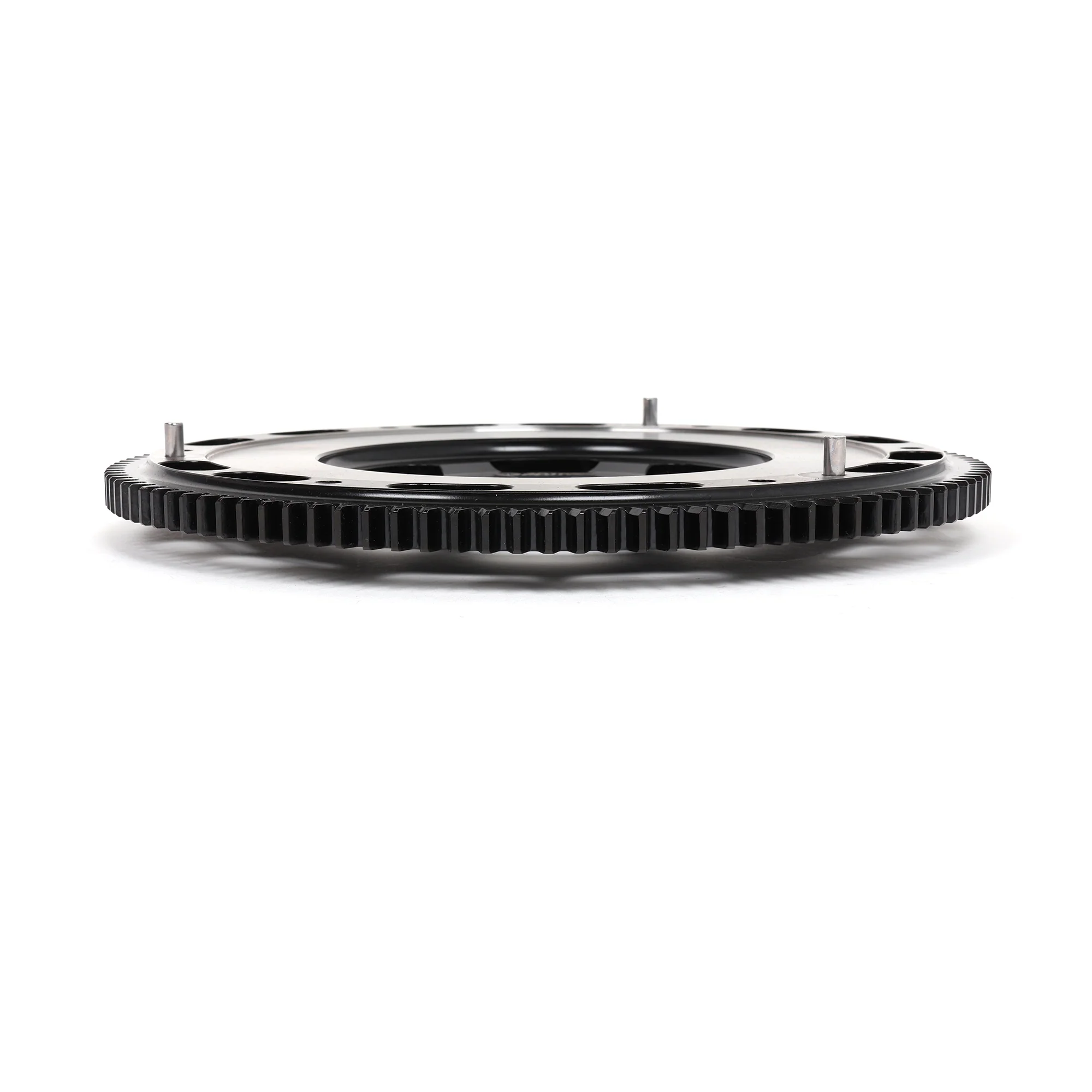
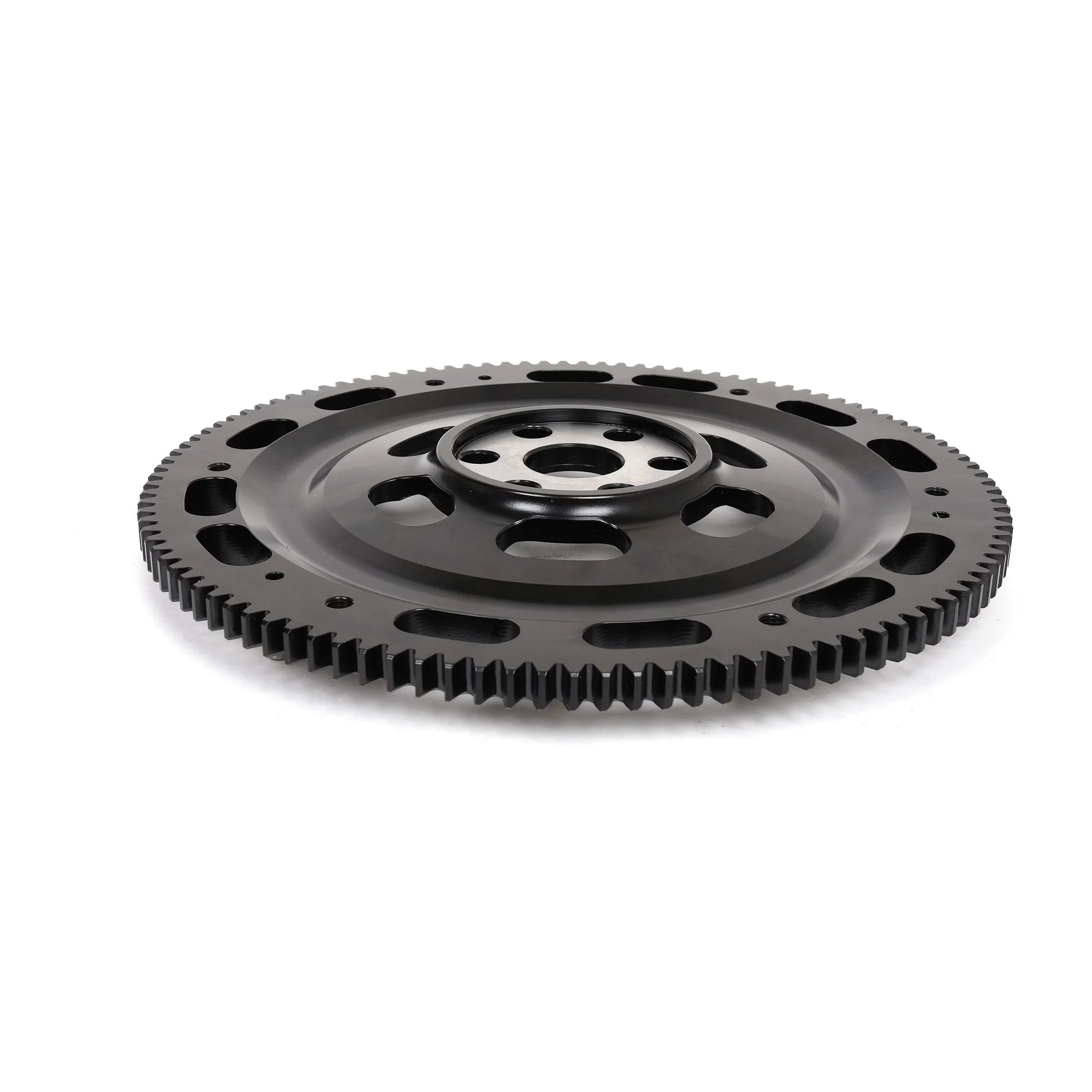
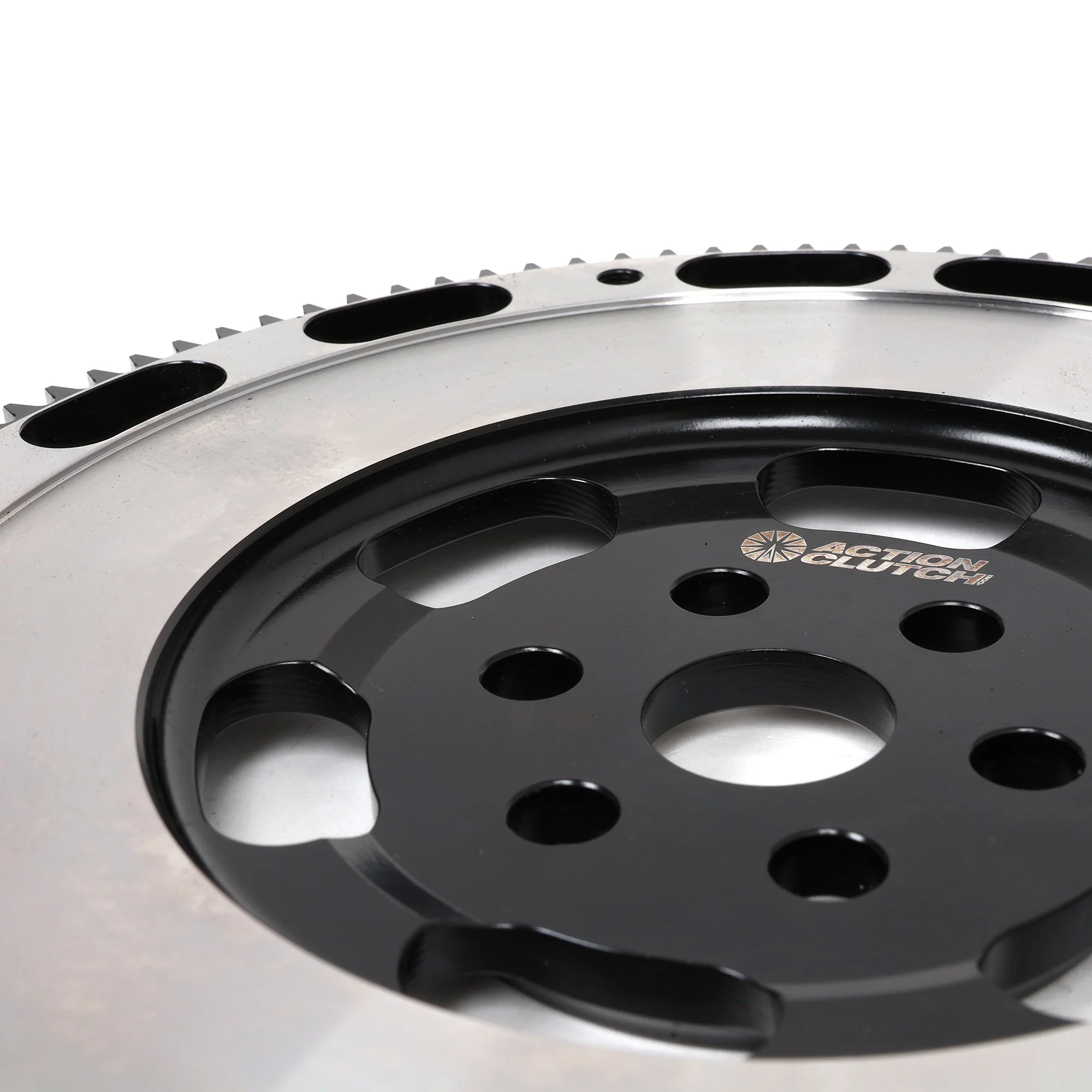
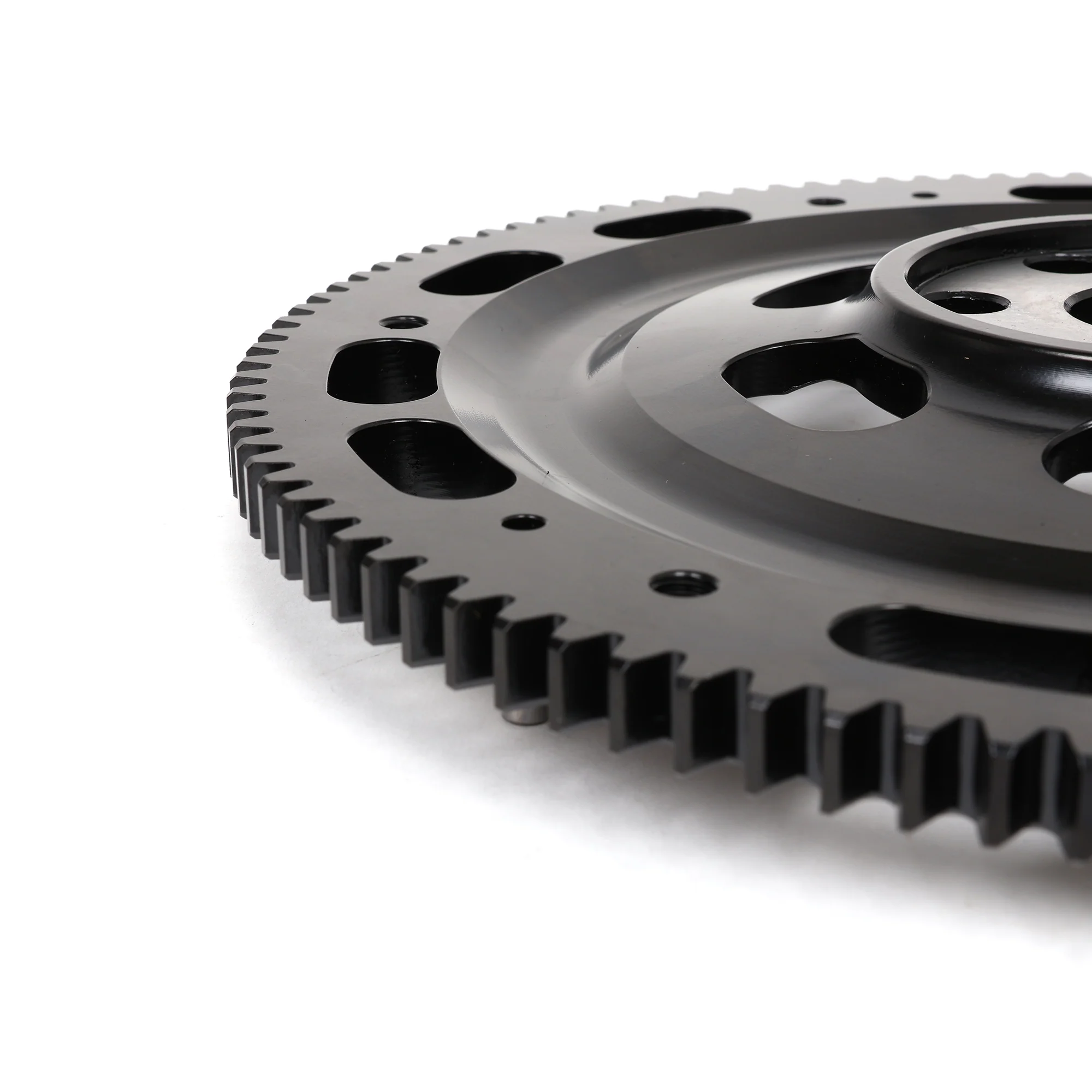
Action Clutch Lightweight Flywheel - Honda D Series
Does your D series rev slow and the throttle response feels lazy? A lightweight flywheel helps your engine rev faster by reducing rotational mass. The Action Clutch chromoly lightweight flywheel weighs way less than your factory cast iron flywheel. Less weight means your engine accelerates quicker through the RPM range and it revs down faster when you lift off the throttle. That makes the car feel more responsive and it's easier to rev-match your downshifts. The trade-off is the car's harder to launch smoothly from a stop and you'll get more vibration and noise in the cabin. If you're building a track car or you want sharper throttle response and you can deal with the extra noise and harsher engagement, a lightweight flywheel makes sense. If you're just daily driving, stick with your stock flywheel.
Here's What a Lightweight Flywheel Does
Your flywheel stores rotational energy and smooths out engine pulses. A heavy flywheel stores more energy, which makes the engine easier to launch from a stop and it keeps the engine from stalling as easily. But heavy flywheels resist RPM changes, which makes your engine rev slower. A lightweight flywheel stores less energy, so your engine revs faster when you hit the throttle and it drops RPM faster when you let off. That makes the engine feel way more responsive. The downside is the engine's harder to launch smoothly because there's less stored energy to help you get moving. You need more throttle and more clutch slip to get off the line without stalling. Once you're moving, the lightweight flywheel feels great. But in parking lots and stop-and-go traffic, it's annoying.
Chromoly Construction Instead of Aluminum
This flywheel's made from chromoly steel instead of aluminum. Chromoly's heavier than aluminum but it's way stronger and it handles heat better. Aluminum flywheels are the lightest option, but they wear out faster and they can warp from heat if you're slipping the clutch a lot. Chromoly holds up better for street/track use where you're doing hard launches and you're generating a lot of heat. Action heat-treats the flywheel for extra strength and they claim it's been tested to 18,000 RPM. You're not spinning a D series to 18,000 RPM, but it means the flywheel's strong enough to handle high-revving naturally aspirated builds.
Resurfacable for Longer Life
When your clutch wears out, the flywheel surface gets scored and glazed from the friction material. With the Action flywheel, you can resurface it at a machine shop to clean up the surface. That extends the flywheel's life - you're not buying a new flywheel every time you replace your clutch. Some cheap lightweight flywheels can't be resurfaced because they're too thin or they're made from materials that don't machine well. The Action flywheel's thick enough to be resurfaced multiple times.
It's Going to Be Louder and Harsher
Lightweight flywheels create more noise, vibration, and harshness (NVH) than stock flywheels. You'll hear more gear rattle from the transmission when you're idling and coasting in neutral. The car will also vibrate more at idle because there's less rotational mass to smooth out the engine pulses. That's normal for lightweight flywheels. If you want a quiet, smooth daily driver, don't get a lightweight flywheel. If you're building a track car or you care more about throttle response than comfort, the extra noise and vibration are worth it.
What You Get
- Action Clutch chromoly lightweight flywheel
- Chromoly steel construction
- Heat-treated for strength and durability
- Tested to 18,000 RPM (Action Clutch claim)
- Resurfacable for extended life
- Reduced rotational mass for faster engine response
- Flywheel bolts NOT included (reuse stock bolts or buy new)
Fits Your Car
- 1988-2000 Honda Civic (D series engines)
- 2001-2005 Honda Civic Non-Si (D series engines)
- 1993-1997 Honda Del Sol S/Si (D series engines)
- 1986-1989 Acura Integra (D series engines)
Compatible Transmissions
- D15
- D16
- D17
Note: Lightweight flywheels make your car harder to launch smoothly from a stop. You'll need more throttle and more clutch slip to get moving without stalling. If you're just daily driving in traffic, a lightweight flywheel is annoying to live with. If you're tracking your car or you do a lot of spirited driving, the improved throttle response is worth the trade-off. Replace your clutch when you install a lightweight flywheel. Don't reuse an old clutch on a new flywheel. Resurface the flywheel every time you replace your clutch. A scored or glazed flywheel won't let your new clutch grab properly. Use new flywheel bolts or check your stock bolts for stretch. Flywheel bolts are torque-to-yield in some applications and they shouldn't be reused. The flywheel will be louder and harsher than stock. You'll hear more gear rattle and feel more vibration at idle. That's normal.
Details & Craftsmanship
Every detail has been carefully considered to bring you the perfect product.
Details & Craftsmanship
Every detail has been carefully considered to bring you the perfect product.
Details & Craftsmanship
Every detail has been carefully considered to bring you the perfect product.
Details & Craftsmanship
Every detail has been carefully considered to bring you the perfect product.
Details & Craftsmanship
Every detail has been carefully considered to bring you the perfect product.
Description
Action Clutch Lightweight Flywheel - Honda D Series
Does your D series rev slow and the throttle response feels lazy? A lightweight flywheel helps your engine rev faster by reducing rotational mass. The Action Clutch chromoly lightweight flywheel weighs way less than your factory cast iron flywheel. Less weight means your engine accelerates quicker through the RPM range and it revs down faster when you lift off the throttle. That makes the car feel more responsive and it's easier to rev-match your downshifts. The trade-off is the car's harder to launch smoothly from a stop and you'll get more vibration and noise in the cabin. If you're building a track car or you want sharper throttle response and you can deal with the extra noise and harsher engagement, a lightweight flywheel makes sense. If you're just daily driving, stick with your stock flywheel.
Here's What a Lightweight Flywheel Does
Your flywheel stores rotational energy and smooths out engine pulses. A heavy flywheel stores more energy, which makes the engine easier to launch from a stop and it keeps the engine from stalling as easily. But heavy flywheels resist RPM changes, which makes your engine rev slower. A lightweight flywheel stores less energy, so your engine revs faster when you hit the throttle and it drops RPM faster when you let off. That makes the engine feel way more responsive. The downside is the engine's harder to launch smoothly because there's less stored energy to help you get moving. You need more throttle and more clutch slip to get off the line without stalling. Once you're moving, the lightweight flywheel feels great. But in parking lots and stop-and-go traffic, it's annoying.
Chromoly Construction Instead of Aluminum
This flywheel's made from chromoly steel instead of aluminum. Chromoly's heavier than aluminum but it's way stronger and it handles heat better. Aluminum flywheels are the lightest option, but they wear out faster and they can warp from heat if you're slipping the clutch a lot. Chromoly holds up better for street/track use where you're doing hard launches and you're generating a lot of heat. Action heat-treats the flywheel for extra strength and they claim it's been tested to 18,000 RPM. You're not spinning a D series to 18,000 RPM, but it means the flywheel's strong enough to handle high-revving naturally aspirated builds.
Resurfacable for Longer Life
When your clutch wears out, the flywheel surface gets scored and glazed from the friction material. With the Action flywheel, you can resurface it at a machine shop to clean up the surface. That extends the flywheel's life - you're not buying a new flywheel every time you replace your clutch. Some cheap lightweight flywheels can't be resurfaced because they're too thin or they're made from materials that don't machine well. The Action flywheel's thick enough to be resurfaced multiple times.
It's Going to Be Louder and Harsher
Lightweight flywheels create more noise, vibration, and harshness (NVH) than stock flywheels. You'll hear more gear rattle from the transmission when you're idling and coasting in neutral. The car will also vibrate more at idle because there's less rotational mass to smooth out the engine pulses. That's normal for lightweight flywheels. If you want a quiet, smooth daily driver, don't get a lightweight flywheel. If you're building a track car or you care more about throttle response than comfort, the extra noise and vibration are worth it.
What You Get
- Action Clutch chromoly lightweight flywheel
- Chromoly steel construction
- Heat-treated for strength and durability
- Tested to 18,000 RPM (Action Clutch claim)
- Resurfacable for extended life
- Reduced rotational mass for faster engine response
- Flywheel bolts NOT included (reuse stock bolts or buy new)
Fits Your Car
- 1988-2000 Honda Civic (D series engines)
- 2001-2005 Honda Civic Non-Si (D series engines)
- 1993-1997 Honda Del Sol S/Si (D series engines)
- 1986-1989 Acura Integra (D series engines)
Compatible Transmissions
- D15
- D16
- D17
Note: Lightweight flywheels make your car harder to launch smoothly from a stop. You'll need more throttle and more clutch slip to get moving without stalling. If you're just daily driving in traffic, a lightweight flywheel is annoying to live with. If you're tracking your car or you do a lot of spirited driving, the improved throttle response is worth the trade-off. Replace your clutch when you install a lightweight flywheel. Don't reuse an old clutch on a new flywheel. Resurface the flywheel every time you replace your clutch. A scored or glazed flywheel won't let your new clutch grab properly. Use new flywheel bolts or check your stock bolts for stretch. Flywheel bolts are torque-to-yield in some applications and they shouldn't be reused. The flywheel will be louder and harsher than stock. You'll hear more gear rattle and feel more vibration at idle. That's normal.